🇪🇺🇮🇳 Europe–India Trade Relations: Latest News, FTA Progress & What It Means for India
Europe–India Trade Relations: Latest News, FTA Progress & What It Means for India

Introduction
Trade relations between European Union and India have entered a crucial phase. Recent developments indicate strong momentum toward a long-awaited India–EU Free Trade Agreement (FTA), which could significantly reshape global trade flows.
This blog explains:
-
The latest Europe–India trade news
-
Status of the India–EU FTA
-
Why Europe matters to India
-
Impact on Indian exports and jobs
-
What may happen next
Why Europe Is Important for India’s Trade
The European Union is one of India’s largest trading partners. Trade between India and Europe includes:
-
Engineering goods
-
Pharmaceuticals
-
Textiles & garments
-
Chemicals
-
IT and professional services
Europe offers India:
-
A large consumer market
-
Stable demand
-
High-value export opportunities
Latest News: India–EU Trade Deal Progress
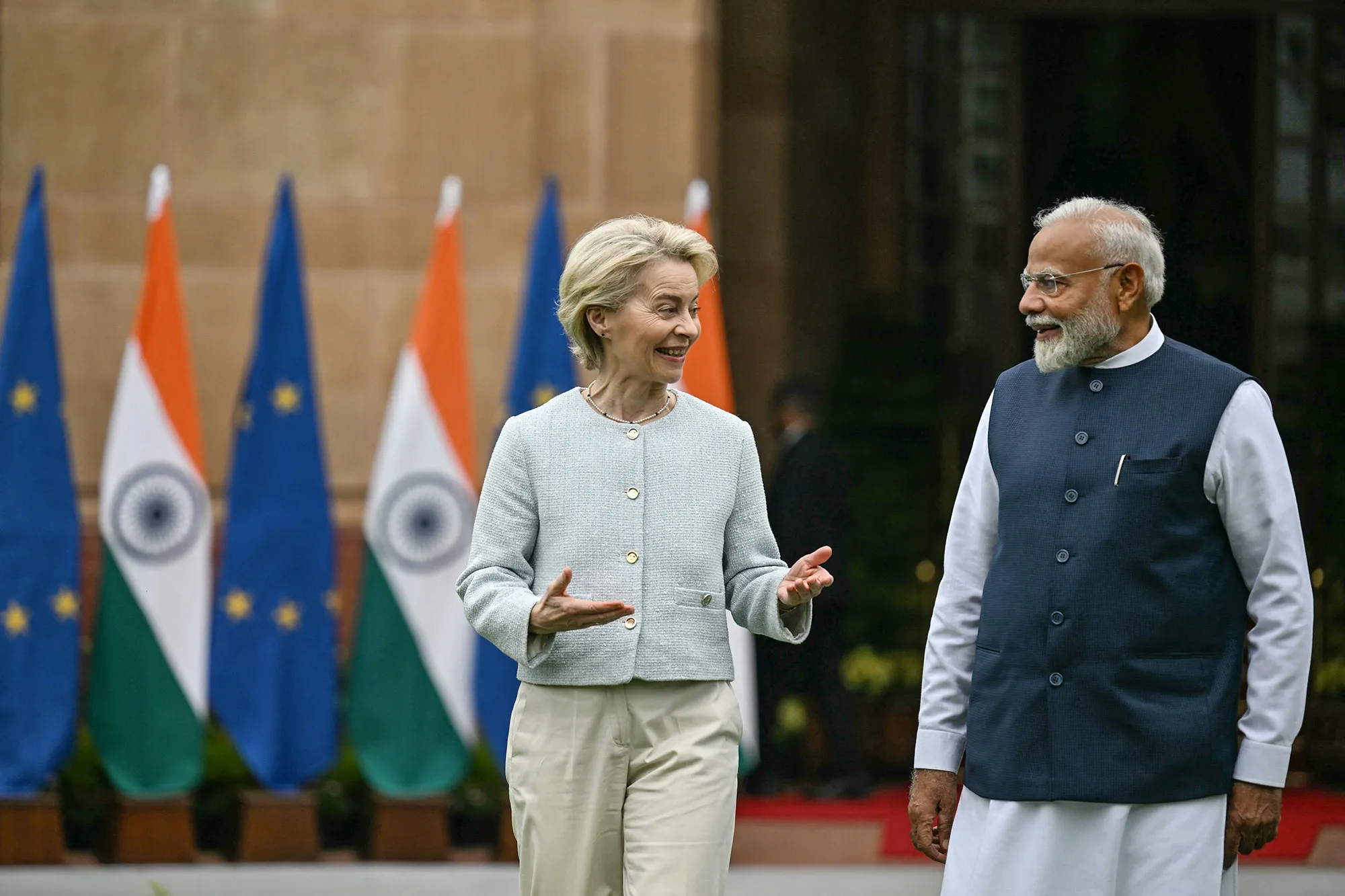
Recent high-level meetings between Indian and European leaders suggest that negotiations on the India–EU Free Trade Agreement are close to a breakthrough.
Key highlights:
-
Talks have intensified after years of delay
-
Both sides want reduced tariffs and easier market access
-
Strategic cooperation beyond trade is being discussed
The proposed FTA could become one of the largest trade agreements in the world.
What Is the India–EU Free Trade Agreement (FTA)?
An FTA aims to:
-
Reduce or remove import/export duties
-
Make services trade easier
-
Improve investment flows
-
Strengthen supply chains
For India, the deal could boost exports and attract European investments.
For Europe, India provides:
-
A fast-growing market
-
Manufacturing alternatives to China
-
Skilled workforce
Tariff Issues and Challenges
While FTA talks are progressing, Indian exporters currently face higher tariffs on many goods entering Europe due to changes in trade preference schemes.
Affected sectors include:
-
Textiles
-
Steel
-
Chemicals
-
Auto components
This has increased pressure on both sides to finalize the trade agreement quickly.
Impact on Indian Businesses and Jobs
📈 Positive Impact If FTA Is Signed
-
Lower tariffs on Indian exports
-
Increased demand for Indian goods
-
More job creation in manufacturing and services
-
Growth in MSMEs and startups
📉 Short-Term Challenges
-
Higher compliance standards
-
Competition from European imports
-
Adjustment costs for small exporters
Europe’s Growing Interest in India
European countries are actively looking to diversify supply chains away from over-dependence on a single region.
India is seen as:
-
A reliable democracy
-
A large skilled workforce
-
A growing consumer economy
This makes India a preferred long-term trade partner for Europe.
What Happens Next?
Possible future developments:
-
Finalization of India–EU FTA
-
Gradual tariff reductions
-
Increased European investment in India
-
Stronger cooperation in technology and sustainability
Experts believe the agreement could be finalized soon if negotiations continue at the current pace.
Why This Trade Deal Matters Globally
The India–Europe trade partnership:
-
Strengthens global economic stability
-
Reduces supply-chain risks
-
Encourages fair trade practices
-
Balances global economic power
It also positions India as a key global manufacturing and services hub.
Conclusion
Europe–India trade relations are at a turning point. While short-term challenges exist, the long-term benefits of a comprehensive trade agreement are significant. A successful India–EU FTA could unlock new growth opportunities, create jobs, and strengthen India’s position in global trade.
For Indian exporters, businesses, and job seekers, this is a development worth watching closely.


Comments
Post a Comment